


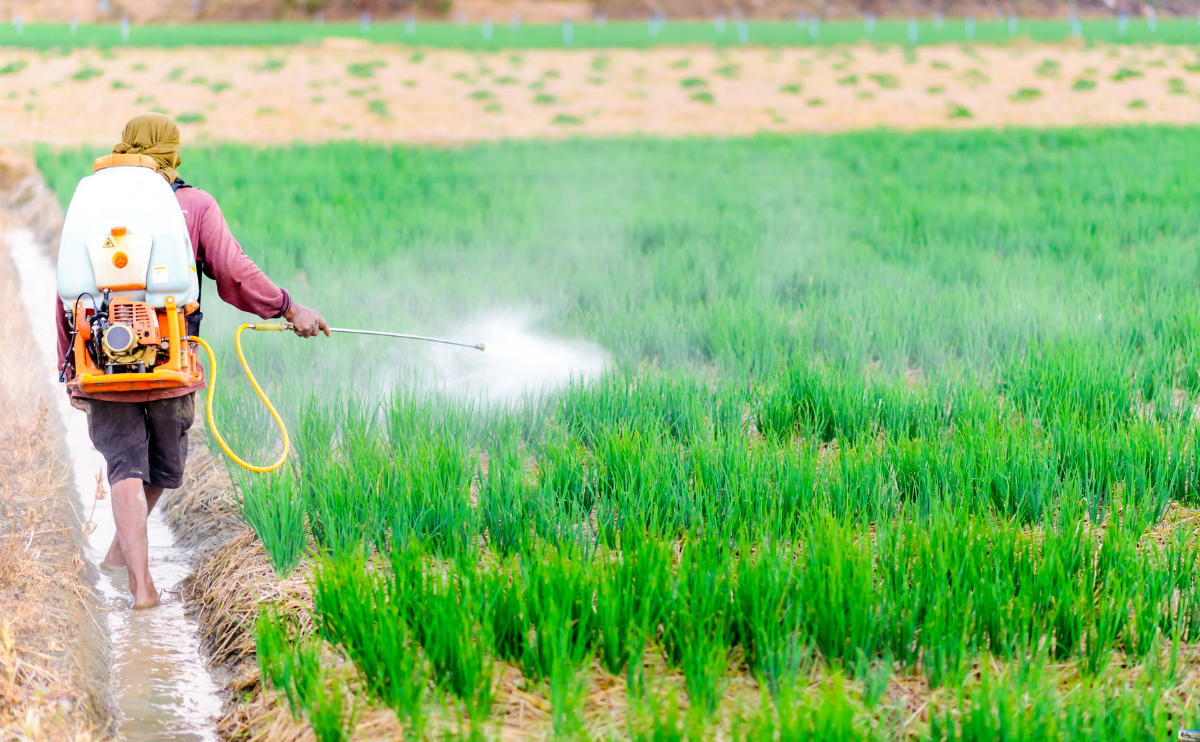
Agriculture has always been the backbone of human civilization, providing food and essential resources. Over the years, advancements in agricultural practices have allowed us to meet the growing demands of a rapidly increasing population. Among these advancements, the use of pesticides has played a crucial role in protecting crops from pests, diseases, and weeds. However, traditional pesticide use has raised significant concerns over environmental degradation, soil health, and biodiversity. As a result, the focus has shifted towards sustainable pesticides in modern agriculture.
This shift is not just a trend but a necessity. Sustainable pesticides offer an effective means to protect crops without causing harm to the environment, human health, or the ecosystem. This article explores the importance of sustainable pesticides, their benefits, and how they are reshaping the future of agriculture.
What Are Sustainable Pesticides?
Sustainable pesticides are substances or methods used to control pests in a way that minimizes harm to the environment, promotes biodiversity, and supports long-term agricultural productivity. Unlike traditional chemical pesticides, which can lead to issues such as soil degradation, water contamination, and the decline of beneficial species, sustainable pesticides are designed to be environmentally friendly and safe for both humans and non-target species.
These pesticides may be derived from natural sources, such as plants or microorganisms, or they may be synthetic but formulated to break down quickly and have minimal ecological impact. They are a critical component of Integrated Pest Management (IPM), which combines multiple approaches to pest control, including biological control, crop rotation, and the use of resistant crop varieties.
Why Traditional Pesticides Fall Short
While traditional pesticides have been highly effective in controlling pests and boosting crop yields, their widespread and often excessive use has led to several unintended consequences:
- Environmental Impact: Many chemical pesticides are persistent in the environment, meaning they do not break down quickly. They can accumulate in soil and water, leading to contamination and harming non-target organisms, including beneficial insects, wildlife, and aquatic life.
- Resistance Development: Over time, pests can develop resistance to chemical pesticides, making them less effective. This can lead to a vicious cycle where farmers are forced to use more potent chemicals, further exacerbating environmental issues.
- Human Health Risks: Prolonged exposure to chemical pesticides has been linked to various health problems in humans, including respiratory issues, skin irritations, and in severe cases, cancer. These health risks extend to farmworkers, local communities, and consumers.
- Biodiversity Loss: The use of non-selective pesticides can lead to a decline in biodiversity. Beneficial insects like pollinators (e.g., bees and butterflies) and natural predators of pests are often killed alongside the harmful pests.
Given these challenges, the agricultural sector has recognized the need for more sustainable solutions to protect crops without compromising the environment or human health.
Benefits of Sustainable Pesticides
Sustainable pesticides offer a range of benefits that address the shortcomings of traditional pesticides. Here’s how they make a difference:
1. Environmental Protection
One of the most significant advantages of sustainable pesticides is their ability to reduce environmental impact. These pesticides are often biodegradable and designed to break down quickly, ensuring they don’t accumulate in soil, water, or air. This helps protect ecosystems, reduce pollution, and preserve soil health.
Additionally, sustainable pesticides are typically more targeted, meaning they affect only the intended pests, leaving beneficial insects, birds, and other wildlife unharmed. This is crucial for maintaining biodiversity, which is essential for the overall health of agricultural ecosystems.
2. Reduced Risk of Resistance
Unlike traditional pesticides, which rely on a single mode of action to kill pests, sustainable pesticides are often part of a broader Integrated Pest Management (IPM) strategy. IPM combines multiple methods of pest control, such as biological control (using natural predators), cultural practices (crop rotation), and mechanical control (traps and barriers).
By using a variety of pest control techniques, sustainable pesticides reduce the likelihood of pests developing resistance. This ensures long-term effectiveness and helps farmers avoid the escalating costs and environmental damage associated with resistance.
3. Improved Human Health
Sustainable pesticides are safer for humans. They are generally less toxic than chemical pesticides and pose fewer health risks to farmworkers, local communities, and consumers. By reducing exposure to harmful chemicals, sustainable pesticides promote better health outcomes, particularly for those who work closely with agricultural products.
In addition, sustainable pesticides undergo rigorous testing to ensure they meet safety standards for human health and the environment. This makes them a safer choice for food production, reducing the risk of pesticide residues in food.
4. Enhanced Crop Health and Productivity
Sustainable pesticides contribute to the long-term health of crops by promoting a balanced ecosystem. Rather than simply eliminating pests, they support the presence of natural predators and beneficial microorganisms that contribute to soil fertility and plant health.
For instance, biological pesticides derived from beneficial bacteria or fungi can help plants resist diseases and pests while improving their overall resilience. This not only leads to healthier crops but also boosts productivity, ensuring that farmers can maintain high yields without relying on harmful chemicals.
5. Economic Viability for Farmers
While the transition to sustainable pesticides may initially require an investment, the long-term benefits are economically favorable. Sustainable pest control methods help reduce input costs by minimizing the need for repeated chemical applications. In addition, by preserving soil health and preventing pest resistance, sustainable practices help farmers avoid the costly consequences of environmental degradation and reduced crop yields.
Moreover, there is a growing market demand for sustainably produced food. Consumers are increasingly seeking out products that are grown using environmentally friendly practices, and sustainable pesticides play a key role in meeting this demand. Farmers who adopt sustainable pest management practices can position themselves as leaders in the sustainable agriculture movement, opening up new market opportunities and improving profitability.
Challenges in Implementing Sustainable Pesticides
While sustainable pesticides offer numerous benefits, there are challenges to their widespread adoption:
- Knowledge and Training: Farmers need access to education and training on how to use sustainable pesticides effectively. Implementing IPM strategies requires a deeper understanding of pest life cycles, crop management, and the interaction between various pest control methods.
- Initial Costs: The upfront costs of transitioning to sustainable pesticides and IPM can be higher, as it often involves new technologies, equipment, and expertise. However, these costs are generally offset over time by reduced pesticide use and healthier crops.
- Availability of Sustainable Pesticides: In some regions, access to sustainable pesticides and biological control agents may be limited, making it difficult for farmers to implement these practices.
- Regulatory Support: Strong government support and policies are needed to encourage the development and use of sustainable pesticides. Incentives for research and development, as well as subsidies for farmers adopting sustainable practices, can help accelerate the transition.
Conclusion: The Future of Agriculture Lies in Sustainability
The importance of sustainable pesticides in modern agriculture cannot be overstated. As the world grapples with the effects of climate change, biodiversity loss, and environmental degradation, the need for sustainable farming practices has never been more urgent. Sustainable pesticides offer a viable solution to these challenges, providing effective pest control while minimizing harm to the environment, human health, and non-target species.
By adopting sustainable pesticides as part of an integrated pest management strategy, farmers can ensure the long-term viability of their crops and the ecosystems they depend on. As consumer demand for sustainably produced food continues to grow, the agricultural industry must prioritize sustainability to meet the challenges of the future and ensure global food security.
CANX International is committed to supporting farmers with innovative, sustainable pesticide solutions that protect both crops and the environment. Together, we can build a healthier, more resilient agricultural future.