


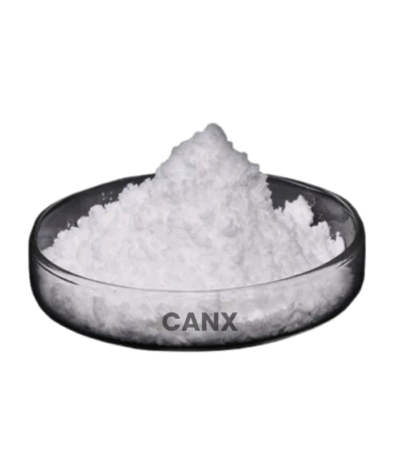
6-Benzylaminopurine (6-BAP or BAP)
₹450.00 – ₹10,999.00Kg6-Benzylaminopurine, or 6-BAP, is a man-made plant hormone that helps plants grow. It belongs to a group called cytokinins, which are important for plant health.
–> Key Functions of 6-BAP:
1. Helps Plants Grow New Shoots:
6-BAP encourages plants to make new shoots, especially in lab settings where plants are grown in tissue culture. This helps grow more plants quickly.
2. Slows Down Aging:
This hormone helps keep leaves green and healthy longer by preventing them from aging too quickly. It helps retain important nutrients and chlorophyll.
3. Encourages Branching:
6-BAP can help side buds grow by reducing the dominance of the main stem. This makes the plant bushier and more full.
4. Boosts Fruit Growth:
In many crops, like tomatoes and strawberries, 6-BAP can help increase the number of fruits and improve their growth, leading to better harvests.
5. Increases Overall Yield:
By promoting more flowers and larger fruits, 6-BAP can help farmers get more produce from their crops.
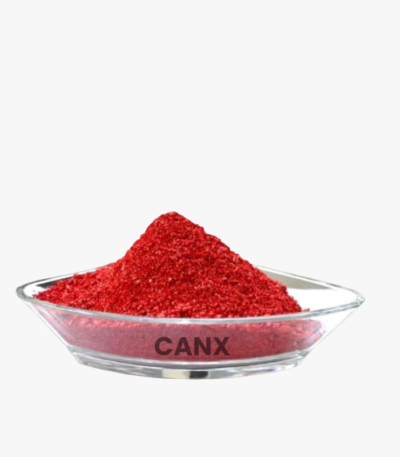
Atonic (Sodium Nitrophenolate (SNP))
₹499.00 – ₹4,999.00KgAtonic (Sodium Nitrophenolate (SNP)) is a plant growth regulator known for its various benefits in agriculture. Here’s an overview:
Benefits:
1. Growth Stimulation: Promotes overall plant growth by enhancing cell division and elongation.
2. Increased Yield: This can lead to higher crop yields by improving the size and quality of fruits and vegetables.
3. Stress Tolerance: Helps plants cope with environmental stresses such as drought and salinity by improving root development.
4. Nutrient Uptake: Enhances the absorption and utilization of nutrients, improving overall plant health.
5. Early Maturity: May accelerate the maturation process of crops, leading to earlier harvests.
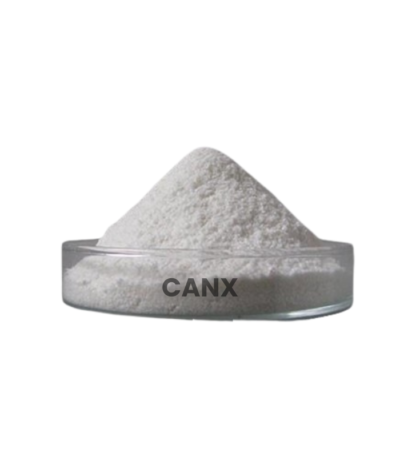
DA-6 (Diethyl Aminoethyl Hexanoate)
₹499.00 – ₹3,599.00KgDA-6 is a plant growth regulator used in farming and gardening to help plants grow better, resist stress, and produce more.
Key Functions of DA-6:
1. Boosts Photosynthesis:
DA-6 helps plants make food more efficiently by improving chlorophyll, which helps them grow faster and healthier.
2. Increases Stress Resistance:
This regulator helps plants deal with tough conditions like drought, salty soil, and extreme temperatures, allowing them to keep growing even when times are hard.
3. Strengthens Roots and Shoots:
DA-6 promotes the growth of both roots and shoots, making plants stronger. This is especially helpful for young plants or those with weak roots.
4. Increases Crop Yields:
By supporting balanced growth and stress resistance, DA-6 can lead to bigger and better fruits, as well as more uniform harvests.
5. Enhances Nutrient Uptake:
DA-6 improves how well plants absorb nutrients, leading to healthier growth and better use of fertilizers.
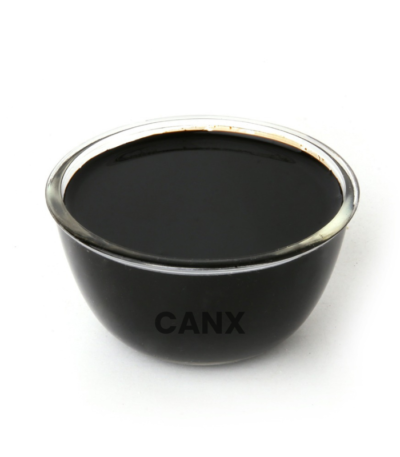
Formulated Growth Promoter
₹499.00 – ₹6,599.00KgA Formulated growth promoter with a humic base is a plant growth enhancer that primarily uses humic substances—like humic acid and fulvic acid—as its key ingredients. These substances are derived from the natural decomposition of organic matter, particularly in soil. Humic-based growth promoters are commonly used in agriculture and horticulture to improve soil health, promote root development, and increase plant vigor.
Key Components of Humic-Based Growth Promoters:
1. Humic Acid: This is a large molecule that binds to soil particles, improving soil structure and water retention. It helps retain nutrients in the root zone, making them more available to plants over time.
2. Fulvic Acid: A smaller molecule than humic acid, fulvic acid is more readily absorbed by plants. It enhances nutrient uptake and plays a key role in improving plant metabolism and growth.
3. Trace Elements and Nutrients: Humic-based promoters often contain essential micronutrients like iron, zinc, and magnesium, which are chelated (made more available) by the humic substances.
4. Amino Acids: Some formulations may include amino acids, which serve as building blocks for protein synthesis in plants, aiding in stress tolerance and growth.
Fulvic Acid 80%
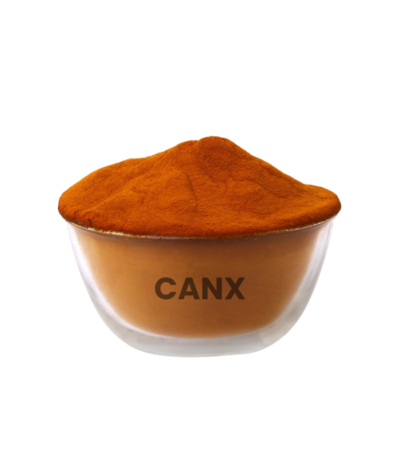
₹499.00 – ₹4,900.00KgFulvic Acid 80% is a natural organic acid derived from humic substances, often extracted from sources like leonardite or peat. It offers numerous benefits in agriculture and horticulture. Here are its key benefits and uses:
Benefits:
1. Nutrient Absorption: Enhances the uptake of nutrients and minerals by plants, promoting healthier growth.
2. Soil Health Improvement: Improves soil structure, aeration, and moisture retention, fostering a better growing environment.
3. Microbial Activity: Stimulates beneficial microbial activity in the soil, which aids in nutrient cycling and overall soil health.
4. Stress Resistance: Helps plants withstand environmental stresses such as drought, salinity, and temperature fluctuations.
5. Chelation: Effectively chelates minerals and trace elements, making them more bioavailable to plants.
Gibberellic acid (GA)
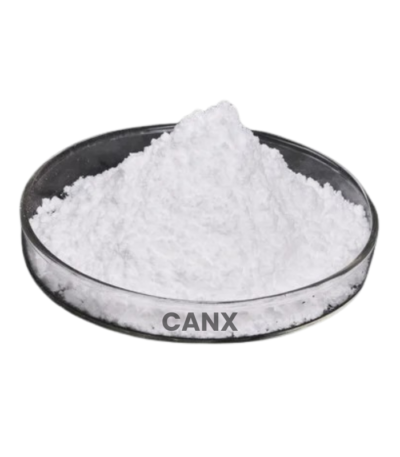
₹399.00 – ₹5,599.00KgGibberellic acid (GA) is a plant hormone that plays a crucial role in regulating various developmental processes in plants, such as seed germination, stem elongation, leaf expansion, and flowering. It belongs to a group of plant hormones known as gibberellins, which are naturally occurring compounds in plants but can also be synthesized for agricultural and horticultural purposes.
Key Functions of Gibberellic Acid:
1. Seed Germination: GA helps break seed dormancy and promotes germination by triggering the production of enzymes that break down stored food in seeds, providing energy for growth.
2. Stem Elongation: It promotes the elongation of plant stems by stimulating cell division and elongation, leading to taller plants. This is particularly useful in plants where longer stems are desirable, such as in certain crops.
3. Flowering: GA influences the timing and formation of flowers, especially in long-day plants, by enhancing the transition from vegetative to reproductive growth.
4. Fruit Development: In some plants, gibberellic acid promotes fruit enlargement and development, making it a common tool in the fruit industry to improve the size and quality of fruits.
5. Leaf Expansion: GA promotes cell growth and division in leaves, resulting in larger leaves and increased photosynthetic capacity.
Green Seaweed Powder
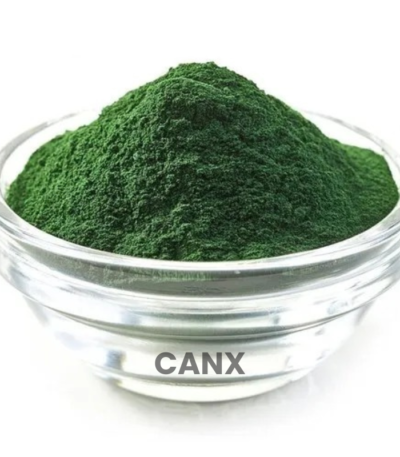
A formulated growth promoter with a humic base is a plant booster that uses natural substances called humic acids and fulvic acids. These come from the breakdown of organic matter in the soil and are used to help plants grow better.
Key Components of Humic-Based Growth Promoters:
1. Humic Acid:
This large molecule helps improve soil structure and keeps water in the soil. It also helps hold onto nutrients, making them available for plants over time.
2. Fulvic Acid:
A smaller molecule, fulvic acid is easily absorbed by plants. It helps plants take in nutrients and boosts their growth and metabolism.
3. Trace Elements and Nutrients:
These promoters often include important micronutrients like iron, zinc, and magnesium, which are made more available for plants thanks to humic substances.
4. Amino Acids:
Some products may add amino acids, which are essential for making proteins in plants. They help plants cope with stress and promote growth.
Seaweed Powder
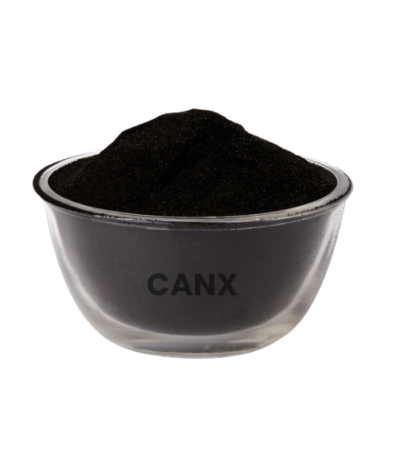
₹499.00 – ₹6,599.00KgSeaweed Powder, derived from various types of marine algae, is widely used in agriculture and horticulture as an organic fertilizer and plant growth stimulant. It is rich in nutrients, trace elements, amino acids, and natural growth hormones like cytokinins, auxins, and gibberellins, making it a valuable addition to soil and foliar treatments.
Key Benefits of Seaweed Powder:
1. Improves Soil Health: Seaweed powder enhances soil structure by increasing its organic matter content. It stimulates beneficial microbial activity, improves water retention, and helps in better nutrient exchange between soil and plants.
2. Rich in Nutrients: It contains essential macro- and micronutrients such as nitrogen, phosphorus, potassium, magnesium, calcium, and trace elements like zinc, copper, and iron. These nutrients promote overall plant health and vitality.
3. Natural Plant Growth Hormones: Seaweed powder contains cytokinins, auxins, and gibberellins, which promote cell division, elongation, and overall growth. This leads to faster root development, enhanced shoot growth, and better fruit and flower production.
4. Enhances Stress Tolerance: Seaweed extracts help plants build resistance to environmental stresses like drought, frost, salinity, and pest attacks. The natural compounds in seaweed boost the plant’s immune response and improve resilience.
5. Improves Yield and Quality: When applied to crops, seaweed powder enhances flowering, fruit set, and fruit size. This results in increased yields and higher-quality produce with improved taste, texture, and nutritional value.
6. Boosts Nutrient Uptake: Seaweed contains alginic acid, which helps improve the plant’s ability to absorb nutrients from the soil. It also promotes more efficient fertilizer use, reducing the need for synthetic inputs.
Super Potassium Humate 98% Flakes
₹499.00 – ₹6,999.00KgSuper Potassium Humate 98% Flakes is a highly concentrated form of potassium humate, derived from leonardite. Here are its benefits and uses:
Benefits:
1. Soil Health Improvement: Enhances soil structure and fertility, promoting better root development and moisture retention.
2. Nutrient Availability: Increases the availability of essential nutrients by chelating micronutrients, making them more accessible to plants.
3. Stimulates Microbial Activity: Supports beneficial microbial populations in the soil, leading to improved nutrient cycling.
4. Plant Growth Enhancement: Promotes vigorous growth, higher yields, and improved crop quality.
5. Stress Resistance: Helps plants tolerate environmental stressors such as drought and salinity.