


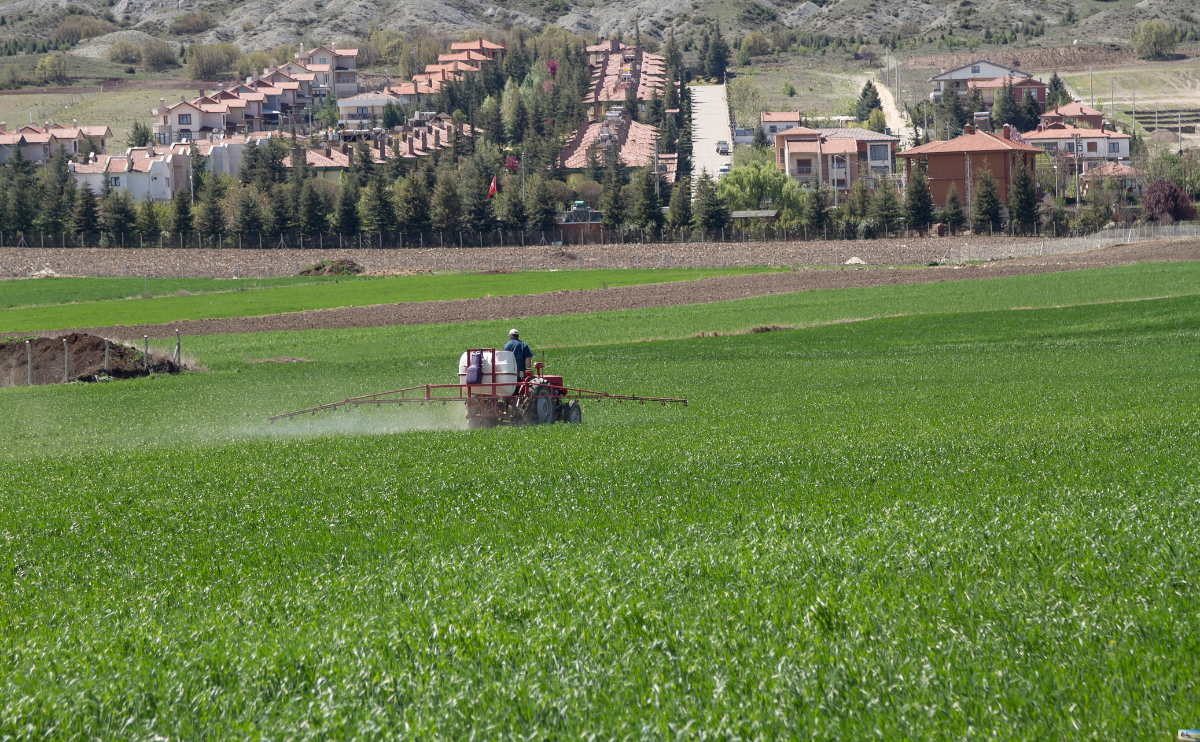
As the global population continues to grow, the demand for agricultural productivity is at an all-time high. Feeding the world’s population, which is expected to reach 9.7 billion by 2050, presents numerous challenges, from climate change to pest management and sustainable farming. This is where agrochemical innovations come into play, revolutionizing the way farmers manage crops and protect yields.
Agrochemical innovations are not only helping farmers meet current agricultural demands but are also paving the way for a more sustainable and resilient future. In this blog, we explore the latest global trends in agrochemical innovation and discuss what’s next for the farming industry.
1. Biopesticides: The Rise of Environmentally Friendly Solutions
One of the most significant trends in agrochemical innovation is the rise of biopesticides. Traditional chemical pesticides, while effective, often come with environmental and health concerns. Biopesticides, on the other hand, are derived from natural sources such as plants, bacteria, fungi, and minerals, making them a more sustainable option for pest control.
Advantages of Biopesticides:
- Environmentally safe: They break down easily and don’t leave harmful residues.
- Target-specific: They generally affect only the intended pests without harming beneficial insects.
- Reduced resistance: Pests are less likely to develop resistance to biopesticides compared to chemical pesticides.
As farmers and governments become more environmentally conscious, the demand for biopesticides is expected to grow, with the global biopesticide market projected to reach over $10 billion by 2025.
2. Precision Agriculture and Smart Agrochemicals
The advent of precision agriculture has transformed the way agrochemicals are used. This trend integrates data-driven technologies such as GPS, drones, IoT (Internet of Things), and AI (Artificial Intelligence) to apply agrochemicals more precisely and efficiently.
How Precision Agriculture Works:
- Drones and sensors: These technologies help monitor crop health, detect pests, and measure soil moisture, enabling farmers to target specific areas for agrochemical application.
- Variable rate technology (VRT): This allows farmers to apply the exact amount of agrochemicals needed, minimizing waste and environmental impact.
- Smart agrochemicals: These are advanced products designed to release active ingredients only when triggered by specific environmental conditions, reducing the amount of chemicals required.
This approach helps farmers optimize yield while minimizing the overuse of agrochemicals, thus promoting both productivity and sustainability.
3. Nano-Agrochemicals: The Future of Precision
Another groundbreaking trend in agrochemical innovation is the development of nano-agrochemicals. These products use nanotechnology to create pesticides, fertilizers, and herbicides that are more effective at a microscopic level.
Key Benefits of Nano-Agrochemicals:
- Increased absorption: Nanoparticles can penetrate plant tissues more effectively, improving the efficacy of agrochemicals.
- Targeted delivery: Nano-formulations allow for the controlled release of active ingredients, minimizing environmental damage.
- Reduced quantities: Because they are more efficient, farmers can use lower amounts of agrochemicals while achieving the same or even better results.
As research into nanotechnology progresses, nano-agrochemicals could redefine how we approach crop protection and fertilization, offering more efficient and eco-friendly solutions.
4. Sustainable Agrochemical Formulations
The agrochemical industry is placing a greater emphasis on sustainability, leading to innovations in product formulations that minimize environmental impact while maintaining effectiveness.
Key Trends in Sustainable Agrochemical Formulations:
- Water-based formulations: These reduce the use of harmful solvents, making products safer for the environment.
- Biodegradable carriers: Agrochemicals are being designed with carriers that break down naturally, reducing soil and water contamination.
- Microencapsulation: This technology encapsulates active ingredients in tiny biodegradable capsules, ensuring slow and controlled release, improving crop protection while reducing chemical runoff.
Sustainable formulations help address the growing need for environmentally responsible farming practices while continuing to provide farmers with effective crop protection solutions.
5. Regenerative Agriculture and the Role of Agrochemicals
Regenerative agriculture is gaining momentum as a method of farming that seeks to restore and enhance natural ecosystems, rather than just maintaining them. Agrochemical companies are increasingly focusing on developing products that align with the principles of regenerative agriculture, such as reducing soil degradation and promoting biodiversity.
Agrochemical Innovations in Regenerative Agriculture:
- Soil health: New products are being designed to improve soil fertility and structure, such as biofertilizers and soil conditioners that restore nutrients to the soil.
- Pest management: Natural pest control methods, such as pheromone traps and biocontrol agents, are being developed to manage pests without harming beneficial organisms.
- Reduced tillage: Some agrochemicals now support reduced or no-till farming, which helps preserve soil structure and reduce erosion.
This trend shows how agrochemicals can play a pivotal role in enhancing ecosystem services while still meeting the productivity demands of modern farming.
6. Resistance Management: Combating Pesticide Resistance
One of the key challenges facing farmers today is pesticide resistance. Over time, pests can develop resistance to commonly used agrochemicals, rendering them less effective. Agrochemical companies are addressing this by developing resistance management strategies.
Strategies for Combating Resistance:
- Rotating modes of action: Using agrochemicals with different mechanisms of action to prevent pests from becoming resistant to a single product.
- Combination products: These combine two or more active ingredients with different modes of action, making it more difficult for pests to develop resistance.
- Integrated pest management (IPM): This approach combines chemical, biological, and cultural practices to control pests more sustainably and reduce the reliance on any one method.
The future of resistance management lies in the development of novel agrochemicals and strategies that prolong the effectiveness of these essential products.
7. The Shift Toward Organic Agrochemicals
As consumer demand for organic produce rises, the need for organic agrochemicals is also increasing. These products are derived from natural sources and are designed to be compatible with organic farming practices.
Types of Organic Agrochemicals:
- Natural pesticides: Made from plant-based ingredients like neem or pyrethrin, offering an effective yet environmentally friendly alternative to synthetic pesticides.
- Organic fertilizers: Composed of natural materials such as compost, manure, or bone meal, these fertilizers enrich the soil without the use of synthetic chemicals.
Agrochemical companies are investing heavily in research and development to create organic products that meet both consumer demand and regulatory requirements for organic certification.
What’s Next for Farming?
The future of farming is heavily influenced by the global trends in agrochemical innovation. From biopesticides to nano-agrochemicals and precision agriculture, these trends are transforming the way we grow crops, protect yields, and ensure sustainability.
As we move forward, the key to success in agriculture will be the balance between innovation and sustainability. Farmers will continue to rely on agrochemical products that are not only effective but also environmentally responsible, ensuring that both the planet and the people it supports can thrive for generations to come.
Agrochemical innovations are shaping the future of agriculture, and companies like CANX International are at the forefront of these advancements, providing farmers with cutting-edge solutions that promote productivity, sustainability, and resilience.