


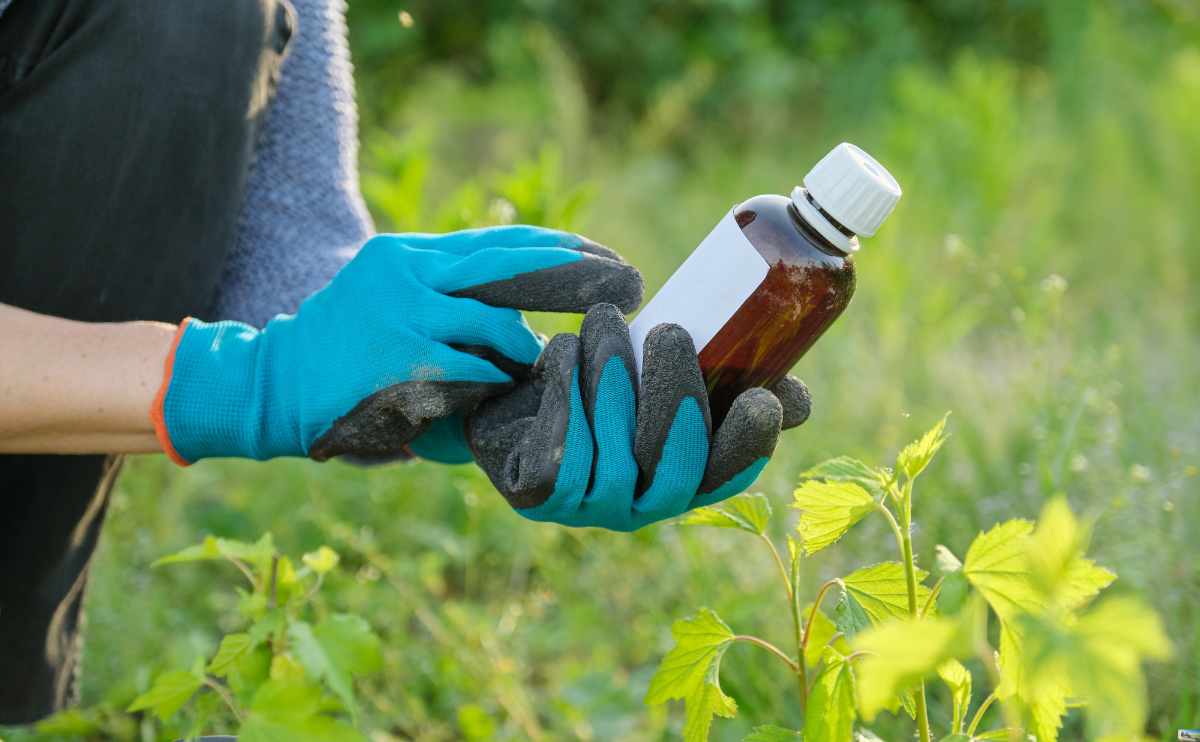
Insect and pest infestations pose significant threats to public health, leading to the spread of diseases, property damage, and environmental disruptions. Effective pest control solutions are vital in maintaining community health and ensuring a safe environment. In this blog post, we will explore the importance of pest control in public health, the types of pest control methods available, and how CANX International is contributing to safeguarding public health through innovative solutions.
The Link Between Pest Control and Public Health
Pests such as mosquitoes, rodents, cockroaches, and flies are more than just nuisances; they are vectors for a variety of diseases that can severely affect public health. Mosquitoes transmit deadly diseases like malaria, dengue, and Zika virus. Rodents are notorious carriers of bacteria and viruses that can spread diseases such as hantavirus and leptospirosis. Cockroaches can trigger asthma and allergies, while flies contaminate food and contribute to gastrointestinal illnesses.
The Importance of Pest Control:
Pest control is essential for preventing the spread of these diseases. By managing pest populations and reducing the risks they pose to public health, pest control solutions can save lives and prevent large-scale outbreaks of disease. Without adequate control measures, communities can face serious health crises, particularly in regions where disease-carrying pests are prevalent.
Types of Pest Control Solutions
Pest control methods can be divided into several categories based on their effectiveness and environmental impact. Choosing the right method is crucial to safeguarding public health while minimizing the ecological footprint.
1. Chemical Pest Control
Chemical pest control involves the use of pesticides to eliminate pests. These chemicals are often highly effective at quickly reducing pest populations and controlling outbreaks. However, chemical pesticides must be used carefully to avoid adverse effects on humans, animals, and the environment.
Advantages:
- Quick and effective solution for severe infestations
- Can target a wide variety of pests
- Often used in both urban and rural settings
Disadvantages:
- Potential health risks if misused
- Risk of environmental contamination
- Pests can develop resistance over time
2. Biological Pest Control
Biological control methods involve the use of natural predators or pathogens to control pest populations. For example, introducing predators like ladybugs to control aphids in gardens or using bacteria that target mosquito larvae.
Advantages:
- Environmentally friendly and sustainable
- No chemical residues left behind
- Pests are less likely to develop resistance
Disadvantages:
- Slower in effect compared to chemical methods
- Requires careful planning and monitoring
- May not be as effective in large-scale infestations
3. Physical and Mechanical Pest Control
Physical methods include the use of barriers, traps, or sanitation techniques to prevent or reduce pest populations. Mechanical methods may involve using specialized equipment to remove pests from specific areas.
Advantages:
- Safe and non-toxic
- Cost-effective for small-scale issues
- Easy to implement in household and public settings
Disadvantages:
- Labor-intensive
- May be ineffective for large infestations
- Needs regular maintenance and monitoring
4. Integrated Pest Management (IPM)
Integrated Pest Management (IPM) is a more comprehensive approach that combines multiple pest control methods, including chemical, biological, and physical solutions, to minimize pest populations in a sustainable way.
Advantages:
- Reduces reliance on chemical pesticides
- Promotes long-term pest control solutions
- Minimizes environmental impact
Disadvantages:
- Requires more knowledge and planning
- May take longer to see results
CANX International’s Role in Public Health Pest Control
At CANX International, we understand the critical importance of effective pest control for public health. Our range of products is designed to not only eliminate pests but also ensure that the solutions are safe for use in public spaces, homes, and communities.
1. General Insect and Pest Control Solutions
CANX International offers a comprehensive selection of pest control products tailored for public health applications. Our products are formulated to target specific pests such as mosquitoes, flies, cockroaches, and rodents, which are major contributors to public health issues.
- Insecticides: Our powerful insecticides are effective in reducing populations of mosquitoes, flies, and other disease-carrying pests.
- Rodenticides: For controlling rodent populations, our rodenticides are safe and effective in urban environments.
- Public Health Solutions: We provide pest control solutions specifically designed to be used in public spaces, including parks, hospitals, schools, and other areas where human safety is a priority.
2. Safe and Environmentally Friendly Products
We are committed to producing eco-friendly pest control solutions that prioritize the safety of humans, animals, and the environment. Our products adhere to stringent safety regulations, ensuring that they can be used with minimal risk of contamination or harm to non-target species.
- Biodegradable Chemicals: Many of our products break down naturally, leaving no harmful residues.
- Low-Toxicity Formulations: Designed to minimize harm to humans and pets while being highly effective against pests.
3. Expert Support and Guidance
CANX International goes beyond providing products. We also offer expert guidance and support for implementing pest control solutions, ensuring that they are used effectively and responsibly. Our team of specialists can assist public health authorities, municipalities, and businesses in designing pest control programs that meet their specific needs.
How to Implement Effective Pest Control for Public Health
To implement effective pest control programs in public spaces, a strategic approach is necessary. Below are key steps that public health authorities, businesses, and communities should consider:
1. Assess the Pest Problem
The first step is to identify the types of pests present and assess the extent of the problem. This can be done through monitoring, surveys, and inspections. Understanding the pest population helps in selecting the most appropriate control methods.
2. Choose the Right Pest Control Methods
Based on the assessment, choose a combination of pest control methods (chemical, biological, or mechanical) to effectively address the issue. In many cases, an Integrated Pest Management (IPM) approach may offer the best results.
3. Ensure Safe Application
Safety is paramount when applying pest control products. Make sure to follow manufacturer instructions and apply products in accordance with safety guidelines. Use protective gear if necessary and avoid overuse of chemical solutions.
4. Regular Monitoring and Evaluation
Effective pest control requires ongoing monitoring and evaluation. Regular inspections and feedback on the pest control methods used will help ensure long-term success and identify any areas that need adjustment.
Conclusion
Pests pose a serious threat to public health, but with the right pest control solutions, these risks can be effectively managed. At CANX International, we are committed to providing safe, sustainable, and highly effective pest control products that protect communities from disease and harm. By using a combination of pest control methods, communities can safeguard public health while minimizing the impact on the environment.
To learn more about our pest control solutions and how they can benefit public health in your area, visit our Contact Us page and get in touch with our expert team today.