


The Role of Plant Growth Regulators in Enhancing Crop Resilience
In today’s rapidly changing agricultural landscape, the need for effective strategies to enhance crop resilience is more critical than ever. As farmers face challenges such as climate change, pest pressures, and soil degradation, Plant Growth Regulators (PGRs) have emerged as vital tools for optimizing plant development and improving overall crop performance. This blog explores the significance of PGRs and their role in enhancing crop resilience.
Understanding Plant Growth Regulators
What Are Plant Growth Regulators?
Plant Growth Regulators are natural or synthetic substances that influence plant growth and development. They regulate various physiological processes, including cell division, elongation, and differentiation. PGRs can be classified into several categories based on their function, including auxins, gibberellins, cytokinins, abscisic acid, and ethylene.
How Do PGRs Work?
PGRs act at low concentrations and can stimulate or inhibit specific growth processes. For example, auxins promote root development and are crucial for plant response to gravity, while gibberellins are known for their role in seed germination and stem elongation. Understanding the mechanisms of PGRs allows farmers to apply them strategically to enhance crop resilience.
Enhancing Crop Resilience with PGRs
1. Stress Tolerance
One of the primary benefits of using PGRs is their ability to improve a plant’s tolerance to various stresses. Stress factors such as drought, salinity, and extreme temperatures can severely impact crop yields. PGRs like abscisic acid help plants manage water stress by closing stomata, thus reducing water loss during drought conditions. This enhanced stress tolerance is crucial for maintaining productivity in challenging environments.
2. Improved Nutrient Uptake
PGRs also play a significant role in enhancing nutrient uptake and utilization. By promoting root growth and development, PGRs enable plants to explore a larger volume of soil, leading to improved access to essential nutrients. For instance, cytokinin application can increase root biomass and improve the efficiency of nutrient uptake, ultimately contributing to better crop health and resilience.
3. Enhanced Growth and Development
By influencing key growth processes, PGRs can enhance overall plant vigor. For example, gibberellins are effective in promoting stem elongation, leading to taller plants that can better compete for light. This increased growth can result in improved biomass production and higher yields, which are essential for resilient cropping systems.
4. Regulating Flowering and Fruit Development
PGRs also play a vital role in regulating flowering and fruit development, which is crucial for crop yield. Auxins and gibberellins can promote flowering in certain crops, ensuring timely and abundant fruit set. By synchronizing flowering and fruit development, farmers can maximize their harvests and mitigate losses due to environmental stress.
Practical Applications of PGRs in Agriculture
1. Crop Specificity
The application of PGRs is highly crop-specific. Understanding the unique growth requirements of each crop type is essential for effective PGR usage. For instance, the application of gibberellins is beneficial for grains, while auxins are more suited for fruit crops. Farmers should carefully evaluate the specific needs of their crops to select the appropriate PGRs.
2. Application Timing and Methods
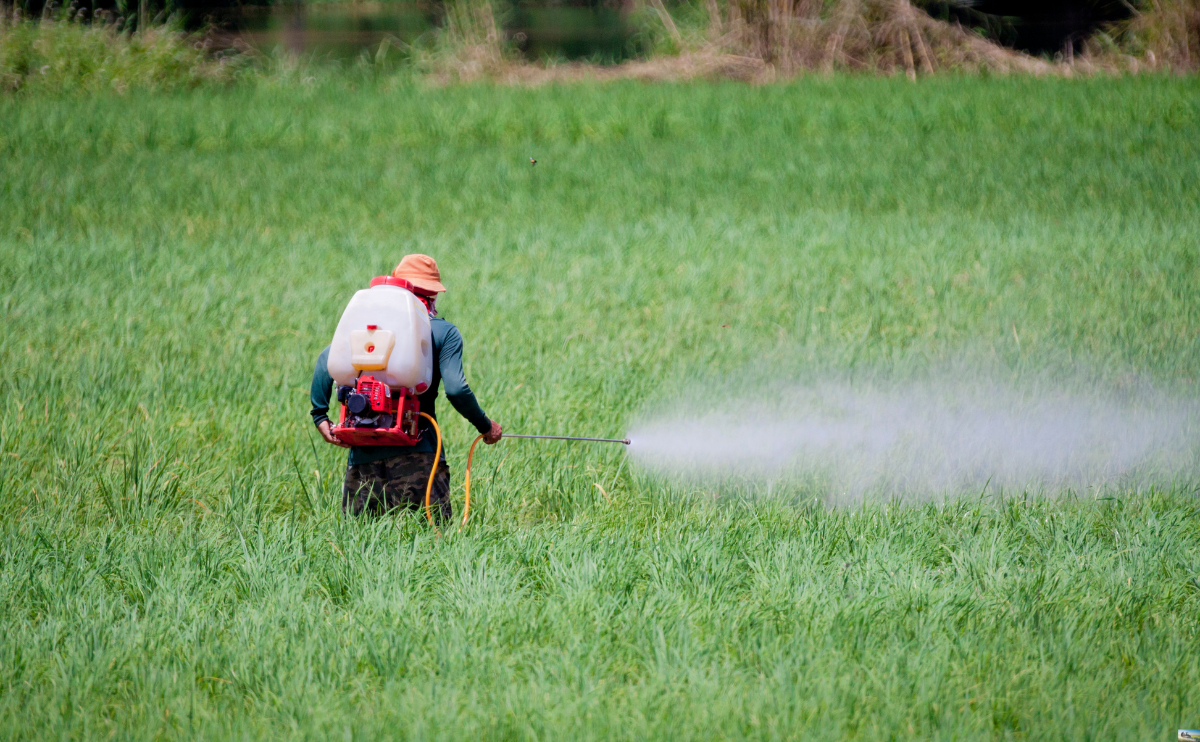
The timing of PGR application is critical for achieving desired outcomes. For example, applying PGRs during the early stages of growth can set the foundation for strong crop resilience. Additionally, the method of application—whether through foliar sprays, soil treatments, or seed coatings—can impact the effectiveness of PGRs. Farmers should consider factors such as environmental conditions and crop growth stages when determining the best application methods.
3. Integration with Other Practices
PGRs should not be viewed in isolation but rather as part of an integrated crop management strategy. Combining PGR applications with practices such as crop rotation, cover cropping, and precision agriculture can enhance overall effectiveness. For instance, using PGRs in conjunction with soil health management practices can lead to synergistic benefits, improving both crop resilience and soil fertility.
The Future of PGRs in Agriculture
1. Research and Development
The field of PGR research is continually evolving, with ongoing studies aimed at understanding their mechanisms and developing new formulations. Advances in biotechnology may lead to the development of more efficient and targeted PGRs, further enhancing their role in sustainable agriculture.
2. Addressing Climate Change
As climate change continues to impact agriculture, the need for resilient cropping systems becomes increasingly urgent. PGRs can play a pivotal role in adapting crops to changing conditions, helping farmers maintain productivity in the face of challenges. Research into the specific responses of crops to climate stressors will be essential for optimizing PGR use in future agricultural practices.
Conclusion
Plant Growth Regulators are powerful tools that can significantly enhance crop resilience in an era of increasing agricultural challenges. By improving stress tolerance, nutrient uptake, growth rates, and reproductive success, PGRs contribute to healthier, more productive crops. As farmers seek innovative solutions to sustain their livelihoods and ensure food security, the strategic use of PGRs will undoubtedly play a crucial role in the future of agriculture.
Farmers, agronomists, and agricultural stakeholders are encouraged to explore the potential of PGRs and consider their integration into sustainable farming practices. By harnessing the power of PGRs, we can pave the way for a more resilient and productive agricultural landscape.