


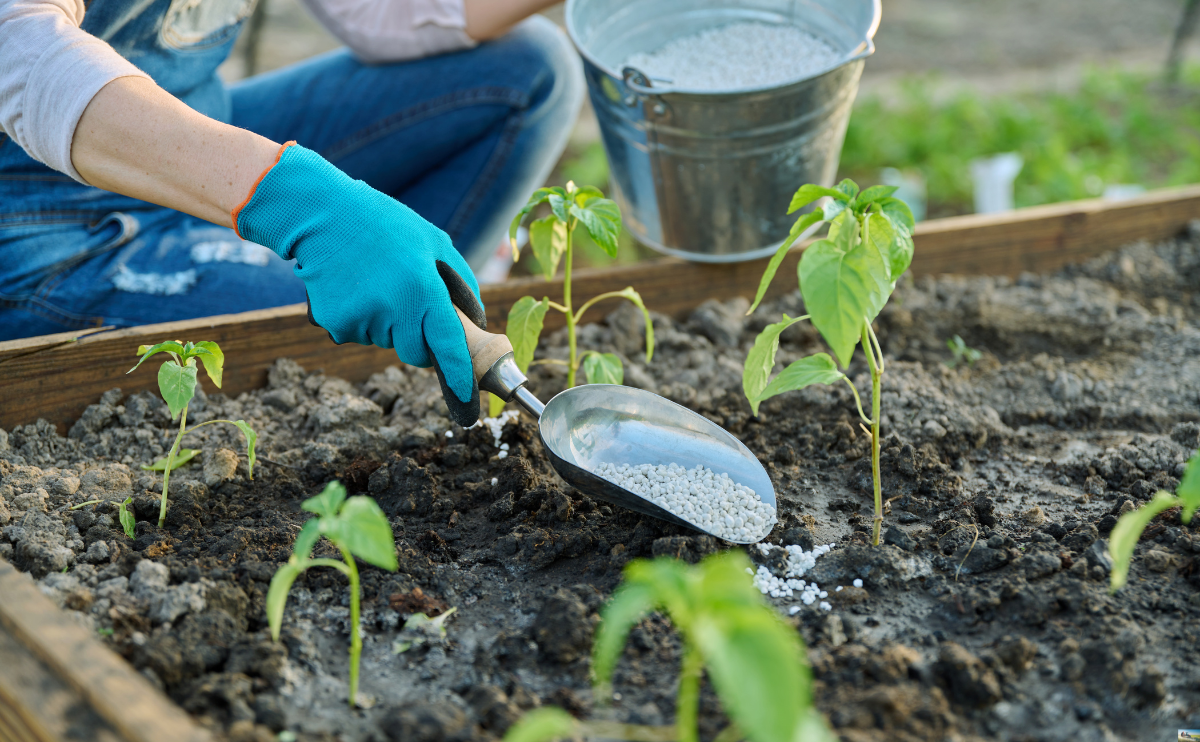
Fertilizers play a vital role in modern agriculture by providing essential nutrients that improve crop health, enhance growth, and ultimately increase yield. For farmers, choosing the right type of fertilizer can be the difference between a mediocre harvest and a thriving one. This guide will walk you through the factors to consider, types of fertilizers available, and how to use them effectively for maximum yield.
Understanding the Importance of Fertilizers
Fertilizers are essential because they replenish the soil with nutrients that are depleted over time. Natural soil nutrients can be insufficient to sustain crop health, especially after repeated use, and that’s where fertilizers come in. The key nutrients found in most fertilizers include nitrogen (N), phosphorus (P), and potassium (K)—collectively known as NPK. These nutrients are fundamental to plant growth, helping in root development, flowering, fruiting, and overall crop resilience.
The Three Primary Nutrients: NPK Explained
- Nitrogen (N):
Nitrogen is crucial for plant growth. It promotes leaf and stem development by boosting chlorophyll production, which helps plants convert sunlight into energy. Plants with adequate nitrogen tend to have lush, green foliage, which is essential for photosynthesis. - Phosphorus (P):
Phosphorus helps in the development of roots, flowers, seeds, and fruits. It aids in energy transfer within the plant, enabling proper growth during critical stages of development. Without sufficient phosphorus, crops may have poor root structures and reduced fruit or grain production. - Potassium (K):
Potassium improves plant health by strengthening cell walls, enhancing drought tolerance, and helping with disease resistance. It also plays a key role in regulating water uptake, making it essential for crops in dry climates.
Types of Fertilizers: Organic vs. Inorganic
When choosing a fertilizer, you’ll generally come across two main categories: organic and inorganic fertilizers. Both types have their benefits, and the choice depends on your farming practices, soil conditions, and crop requirements.
1. Organic Fertilizers
Organic fertilizers are made from natural materials like animal manure, compost, bone meal, and plant matter. They release nutrients slowly and improve soil structure over time. Because they are derived from organic sources, they are environmentally friendly and help maintain long-term soil fertility.
Benefits of Organic Fertilizers:
- Improves soil structure by increasing organic matter
- Enhances microbial activity, promoting healthy soil ecosystems
- Reduces the risk of over-fertilization or “burning” plants
- Safe for the environment and sustainable
Common Organic Fertilizers:
- Compost: Rich in organic matter, improves soil structure and fertility.
- Animal Manure: Provides nitrogen and other nutrients, best used after composting to avoid excess salt or pathogens.
- Bone Meal: High in phosphorus, perfect for root development.
- Green Manure: Crops grown and plowed back into the soil to increase organic matter.
2. Inorganic Fertilizers
Inorganic (or synthetic) fertilizers are chemically manufactured and provide nutrients in a more readily available form. They are often used for quick nutrient fixes, delivering precise amounts of NPK to the soil. These fertilizers are especially useful when crops need an immediate boost.
Benefits of Inorganic Fertilizers:
- Provides nutrients in an easily accessible form, leading to faster plant absorption
- Precisely balanced nutrient ratios tailored to specific crop needs
- Highly effective for large-scale farming
- Can be applied in granules, powders, or liquid form, offering flexibility
Common Inorganic Fertilizers:
- Urea: High in nitrogen, quickly boosts plant growth.
- Superphosphate: Rich in phosphorus, great for root and flower development.
- Potassium Chloride: Supplies potassium, helping with overall plant health and disease resistance.
- NPK Mixtures: Balanced combinations of nitrogen, phosphorus, and potassium, tailored to crop requirements.
Choosing the Right Fertilizer Based on Soil Type
Understanding your soil type is essential in choosing the right fertilizer. Different soils have varying nutrient levels and textures, which can affect how well plants absorb nutrients.
- Clay Soils:
Clay soils are nutrient-rich but tend to compact and retain water. Organic fertilizers, like compost or manure, can improve aeration and drainage while providing nutrients over time. - Sandy Soils:
Sandy soils drain quickly and tend to lose nutrients fast. Inorganic fertilizers with quick-release nutrients are often more effective for sandy soils. Regular application of fertilizers is necessary to maintain fertility. - Loamy Soils:
Loamy soils are ideal for farming as they retain moisture while draining well. A balanced NPK fertilizer works well for loamy soils, as it supports steady plant growth without overwhelming the soil. - Acidic or Alkaline Soils:
Certain crops prefer specific pH levels. Use soil tests to determine your soil’s pH, and choose a fertilizer that adjusts pH levels if needed. Lime is often used to reduce soil acidity, while sulfur can help in lowering pH for alkaline soils.
Matching Fertilizers to Crop Needs
Different crops have different nutrient requirements. Matching fertilizers to crop needs ensures that the plants receive adequate nutrients during critical growth stages.
- Leafy Vegetables (e.g., Spinach, Lettuce):
These crops require high levels of nitrogen for leaf development. Use a nitrogen-rich fertilizer like urea or composted manure. - Root Vegetables (e.g., Carrots, Potatoes):
Root crops benefit from phosphorus and potassium, which aid in root development and storage organ growth. Bone meal and potassium chloride are good choices. - Fruiting Vegetables (e.g., Tomatoes, Peppers):
These crops need a balanced supply of NPK, but especially phosphorus and potassium for flowering and fruiting. A well-balanced NPK fertilizer with a focus on P and K can enhance fruit yield. - Cereals (e.g., Wheat, Rice):
Grains need nitrogen during the early growth stages for leaf development and phosphorus for grain production. A gradual application of nitrogen fertilizers and a balanced NPK mixture is ideal for cereals.
The Importance of Fertilizer Application Timing
Timing is critical when it comes to fertilizer application. Fertilizers should be applied at specific stages of crop growth to maximize nutrient uptake.
- Before Planting (Pre-Planting Application):
This is the time to add phosphorus-rich fertilizers, as phosphorus promotes strong root development. Incorporate it into the soil to ensure it’s accessible to the plants as they establish roots. - During Growth (Top Dressing or Side Dressing):
Nitrogen fertilizers are best applied during this stage to support leaf and stem growth. Side dressing, where fertilizer is applied along the plant rows, ensures that nutrients are readily available. - Flowering and Fruiting Stage:
At this stage, potassium becomes crucial for fruit and seed formation. Potassium fertilizers should be applied to enhance fruit size and quality. - Post-Harvest:
Even after harvest, applying organic fertilizers like compost helps replenish the soil and prepares it for the next planting cycle.
Avoiding Over-Fertilization
While fertilizers are essential, over-fertilization can be harmful. Excessive use of fertilizers can lead to nutrient imbalances, soil toxicity, and environmental pollution through runoff. Always follow recommended application rates and conduct regular soil tests to avoid applying more fertilizer than necessary.
Conclusion
Choosing the right fertilizer for your crops involves understanding the needs of your soil and plants. By balancing organic and inorganic fertilizers, matching nutrient supply to crop requirements, and applying fertilizers at the right time, you can maximize your crop yield. Fertilizers are an investment in the health of your farm, and selecting the right ones will ensure sustainable, productive farming for years to come.